What Is the IFTA Fuel Tax Agreement? Guide for Truckers
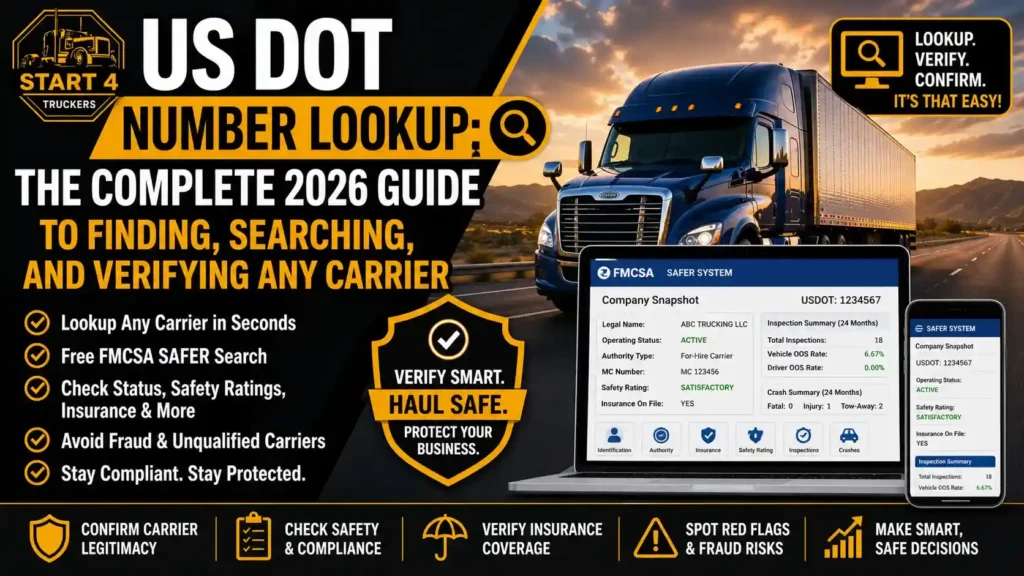
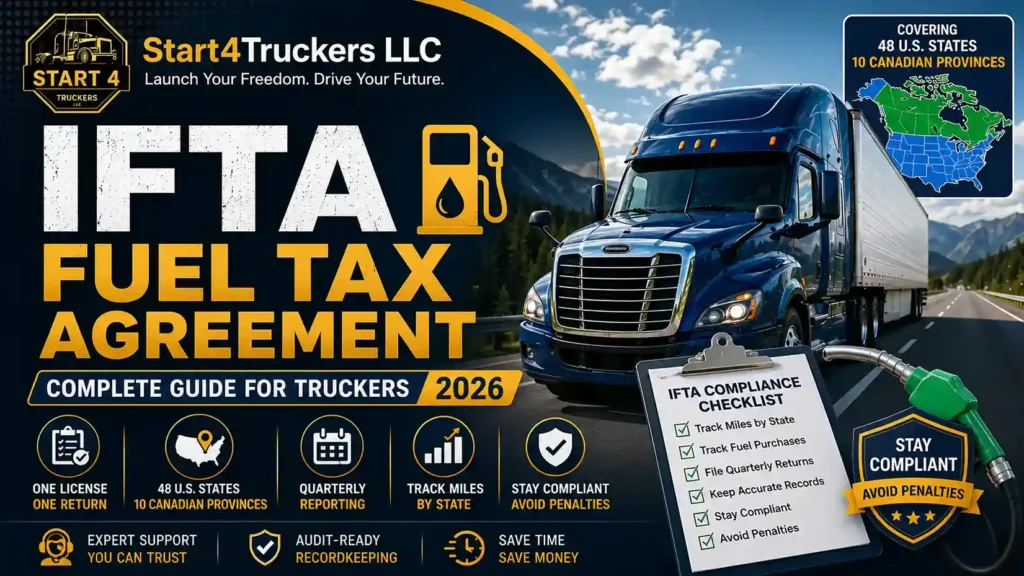
If you drive a commercial truck across state lines, fuel taxes are part of your life. Every state has its own fuel tax rate. Without a system to manage all of them, you’d need to file taxes in every single state you drove through. That would be a nightmare. That’s exactly why the IFTA Fuel Tax Agreement exists. In this blog post, you will know everything about IFTA, what it is, who needs it, how to file, and how to stay compliant. Whether you’re an owner-operator just starting or managing a small fleet, this is your complete reference. What Is the International Fuel Tax Agreement (IFTA)? The IFTA Fuel Tax Agreement, short for International Fuel Tax Agreement, is a cooperative program between 48 U.S. states and 10 Canadian provinces. It simplifies fuel tax reporting for commercial carriers operating across multiple jurisdictions. Here’s the simple version: instead of filing separate fuel tax returns in every state you drive through, you file just one return with your base state. Your base state then handles distributing the tax money to every other state you operate in. One license. One return. One filing. Done. The International Fuel Tax Agreement is managed at the state level, with oversight by organizations such as the Federal Motor Carrier Safety Administration (FMCSA) and coordination through the IFTA, Inc. governing body. Without IFTA, interstate trucking tax rules would require carriers to stop at every state border, purchase trip permits, and file separate reports, costing time, money, and sanity. If you’re just starting your trucking business, understanding IFTA is step one. Check out this full guide on how to start a trucking company before anything else. Why Fuel Tax Compliance Matters in the United States Fuel taxes fund the roads you drive on. Every state collects them to maintain highways, bridges, and infrastructure. The IFTA Fuel Tax Agreement makes sure every state gets its fair share based on how many miles you drove there, not just where you bought fuel. Without motor carrier compliance, carriers face: Heavy financial penalties License suspension IFTA audit risk Out-of-service orders Commercial trucking regulations in the U.S. are strict. Staying compliant isn’t optional; it’s the foundation of a legally operating business. Don’t leave your compliance to chance. Whether you’re filing for the first time or trying to fix past mistakes, getting professional help early saves you money, time, and stress. Explore our Trucking Compliance Services and let our team handle the details so you can focus on the road. IFTA Member Jurisdictions The IFTA Fuel Tax Agreement covers almost all of North America. Here’s a breakdown: U.S. Member States (48 total notable ones include): Texas California Florida New York Illinois Georgia, Ohio, Pennsylvania, and all remaining 48 contiguous states Canadian Member Provinces (10 total, including): Ontario Quebec British Columbia Alberta And six additional provinces Non-IFTA Jurisdictions: Alaska Hawaii The District of Columbia Mexico If you’re operating in Florida specifically, here’s a helpful resource: how to get a DOT number in Florida, your first step before getting IFTA licensed there. Who Needs to Comply With the IFTA Fuel Tax Agreement? Not every truck driver needs IFTA. Here’s exactly who does. You need IFTA if your vehicle meets ALL of these: Has two axles and a gross vehicle weight (GVW) over 26,000 lbs, OR Has three or more axles regardless of weight, OR Is used in combination with a total weight exceeding 26,000 lbs AND the vehicle travels across at least two IFTA member jurisdictions. Who is exempt from IFTA: Recreational vehicles (RVs) used for personal travel Farm vehicles operating within a set radius Intrastate-only trucks that never cross state lines Government-owned vehicles What about owner-operators? Yes, if you operate your own truck across state lines and meet the vehicle requirements, IFTA applies to you. Read more about the owner-operator vs company driver differences and what compliance looks like for each. Do hotshot truckers need IFTA? It depends on the truck-and-trailer weight combination. If the combined GVW exceeds 26,000 lbs and you cross state lines, yes, IFTA is required. How the IFTA System Works: Step by Step Understanding the IFTA process removes all the confusion. Here’s how the full system flows: Step 1: Register with your base jurisdiction Apply for an IFTA license in the state where your truck is registered and your records are kept. This is your “base jurisdiction.” Step 2: Receive your IFTA license and decals Once approved, you’ll receive one IFTA license (keep a copy in the cab) and two annual decals, one for each side of the cab. Step 3: Track miles and fuel by jurisdiction Every trip counts. Record total miles driven in each state and all fuel purchased — including state, gallons, and location. Step 4: File your quarterly fuel tax return Four times a year, submit your IFTA quarterly tax return to your base state. Report all miles and fuel by jurisdiction. Step 5: Pay or receive a refund Your base state calculates what you owe each jurisdiction based on your fuel consumption reporting. If you bought more fuel than you consumed in a state, you may get a credit or refund. Following these five steps consistently keeps your IFTA fuel tax filing accurate, on time, and completely audit-proof. The cleaner your process, the smoother every quarterly filing becomes quarter after quarter, year after year. Need help setting it all up from scratch? Our Trucking Company Setup Services cover everything from IFTA licensing to full compliance management, so you never miss a step. IFTA Licensing Process Explained To get your IFTA license, you’ll need: A valid USDOT number looks like yours, up with the US DOT number lookup tool Your MC authority (if applicable), learn more at the DOT number vs. the MC number EIN (Employer Identification Number): Get yours through EIN Registration Services Vehicle information (VIN, GVW, axle count) Your base state registration details Most states process IFTA applications within 2–4 weeks. Some offer expedited processing online. Want it handled for you? The IFTA License and Decals