Our Services
Starting or growing a trucking business can feel overwhelming: registrations, compliance,
dispatching, digital presence it’s a lot to manage.
That’s where Start4Truckers steps in.
We guide you every step of the way so you can focus on driving profits and growing your fleet.
5,000+ Carriers Registered
24–48 Hr Processing
4.9 / 5 Average Rating
All 50 U.S. States
FMCSA-Approved Process
Services We Offer









Trucking Authority Services for owner Operators
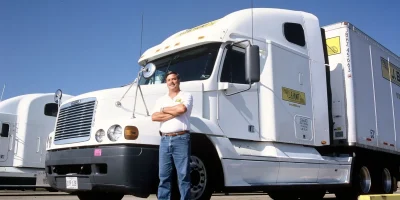
LLC Formatiion, Dot registration, MC authority, Boc-3, IFTA, UCR, and more. We handle every filing so you can focus on hauling.
5,000+ Carriers Registered
24–48 Hr Processing
4.9 / 5 Average Rating
All 50 U.S. States
FMCSA-Approved Process
Step 1
Set Up Your Trucking Business
Before you can apply for any federal authority, your business needs a legal foundation. Skipping this step is one of the most common mistakes new owner-operators make, and it causes delays later when the FMCSA or IRS needs information that does not yet exist.
Business formation (LLC)
Form your trucking LLC the right way before you file for federal authority.
Business formation (Corporation)
Not sure if an LLC fits? We help you incorporate the right way instead.
Business Tax Assistance registration
Get your federal tax ID filed with the IRS before your DOT application.
Not sure which entity fits your business? Talk to an advisor first.
STEP 2
Get your federal operating authority
This is the stage most people think of when they hear “getting your trucking authority.” It covers the federal numbers and filings that legally allow you to haul freight, whether across state lines or within your own state.
USDOT registration
Required for almost every commercial vehicle hauling for hire over 10,001 lbs.
MC# registration
Your operating authority for hauling freight across state lines.
BOC-3 filing
Your MC authority will not activate without a process agent on file.
UCR registration
Annual fee based on fleet size, required for most interstate carriers.
STEP 3
File your tax and fuel compliance
Once your authority is active, the IRS and IFTA member states expect specific filings tied to the type and weight of your equipment. These are easy to miss because they run on their own deadlines, separate from your FMCSA paperwork.
IFTA registration
Required before you drive in two or more IFTA member jurisdictions.
IFTA account setup
Get your IFTA license and decals set up correctly from the start.
IFTA quarterly filing
Filed four times a year based on miles driven and fuel purchased.
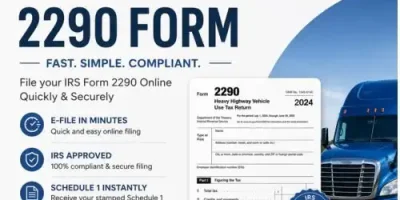
2290 form filing
Heavy vehicle use tax for any truck over 55,000 lbs gross weight.
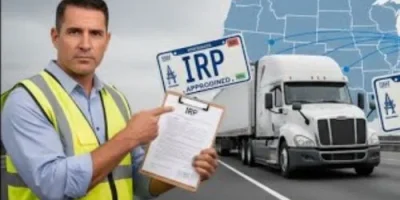
IRP apportioned plates
One set of plates that covers every state you travel through.
Not sure which tax filings apply to your fleet? Ask us.
STEP 4
Stay compliant and keep your authority active
Getting your authority is the beginning, not the finish line. The FMCSA expects ongoing compliance, and falling behind on any of the following can put your authority at risk even after everything else is in order.
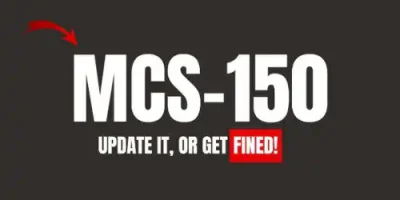
MCS-150 initial filing
The form behind your USDOT number, filed correctly the first time.
Drug and alcohol clearinghouse registration
Federal database registration required for every CDL driver and owner-operator.
Drug and alcohol consortium services
Required random testing enrollment for owner-operators and small fleets.
Ongoing compliance
Year round tracking of renewal dates, filings, and safety scores.
Compliance support
Direct help when a notice, audit, or filing question comes up.
Back office compliance
We manage your paperwork and deadlines so nothing slips through.
Behind on a renewal? Call before it becomes a bigger problem.
Need help now? Call (210) 588-9348 for fast compliance help.
STEP 5
Equip and grow your trucking business
Once you are legally on the road, these services help you run more efficiently, protect your business, and get paid faster.
Digital presence setup
A professional website sized for an owner-operator budget.
Fuel card setup
Discounted pricing at the pump built for owner-operators.
Factoring services
Get paid within a day or two instead of waiting on slow brokers.
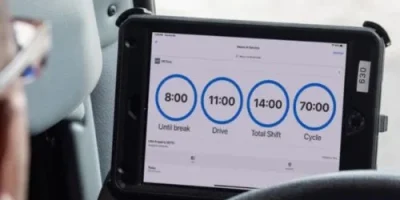
ELD devices setup
Mandatory hours of service logging set up correctly from day one.
Dash cam installation
A professional website sized for an owner-operator budget.
See bundled pricing. Most owner-operators save by bundling formation and authority together.
Read the blog. Guides on DOT compliance, IFTA, and starting a trucking company.
Call (210) 588-9348 to get equipped and rolling.
Ready to get your trucking authority?
Tell us where you are in the process and we will file everything correctly, in the right order, the first time.
Frequently asked questions
Starting a trucking business is not just about knowing how to drive. It is about building a legal, compliant operation that brokers will load, banks will fund, and the FMCSA will not shut down.
Most owner-operators start with business formation and an Business Tax Assistance, since the FMCSA requires both before you can register for a USDOT number or MC number.
You need a USDOT Number if you operate a commercial vehicle for hire, and you need an MC Number on top of that if you haul freight across state lines. Many owner-operators need both.
The FMCSA will not activate your MC Number without a BOC-3 process agent designation on file, even if every other part of your application is correct.
Clearinghouse registration creates your account in the federal database, while consortium services enroll you in the actual random drug and alcohol testing pool the FMCSA requires.
IFTA returns are filed quarterly, four times a year, based on the miles you drove and fuel you purchased in each member jurisdiction during that quarter.
No. The MCS-150 must be updated on a biennial schedule tied to your USDOT number, regardless of whether anything about your business has changed.
Yes. We work with owner-operators and small fleets across all 50 states, including state-specific requirements in places like Florida, Texas, and California.
Back office compliance tracks your renewal dates, required filings, and safety scores year round, so you find out about a deadline from us, not from a violation notice.